
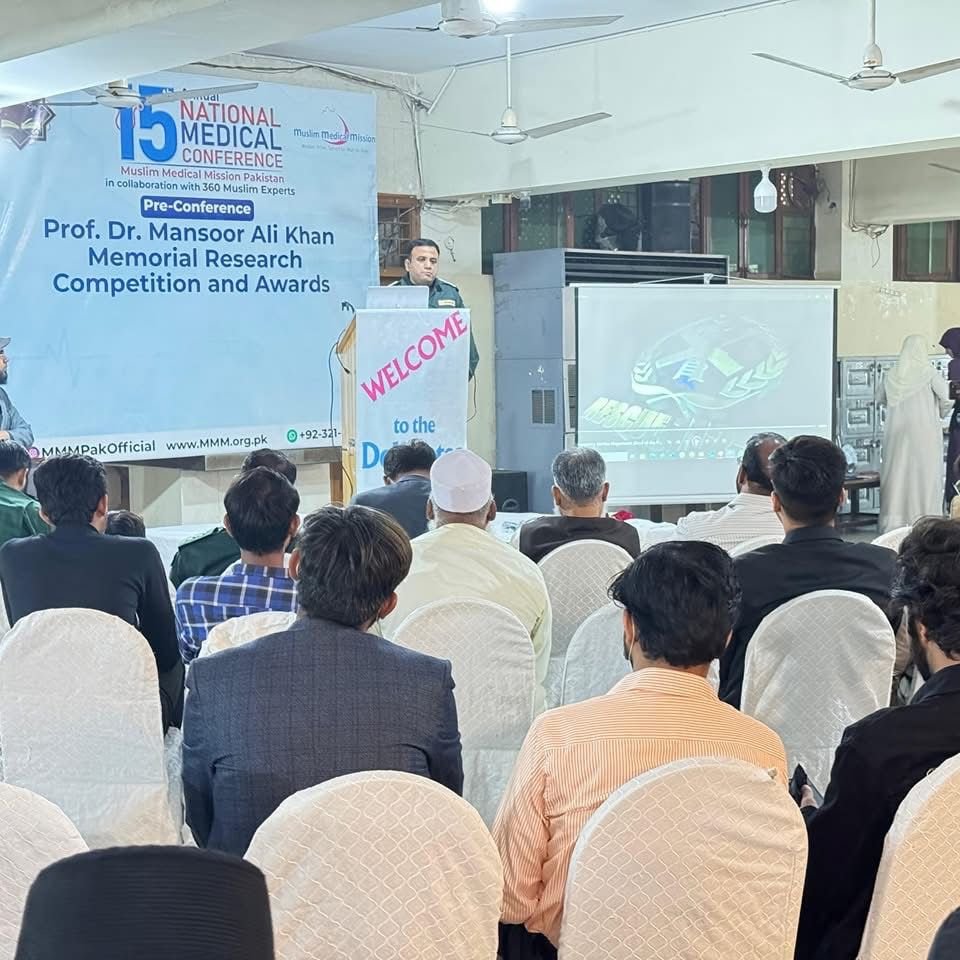
Paramedic and first responder training
Turning volunteers into people who can hold a scene, stop a bleed and keep an airway open until a doctor arrives.
- Covers
- Life support, bleeding, triage
- Ends with
- Assessment, not attendance
- Feeds
- District response teams
In most of the districts we work in, the first person to reach a casualty is not an ambulance crew. It is a neighbour. Training that neighbour properly is the highest return intervention available to us.
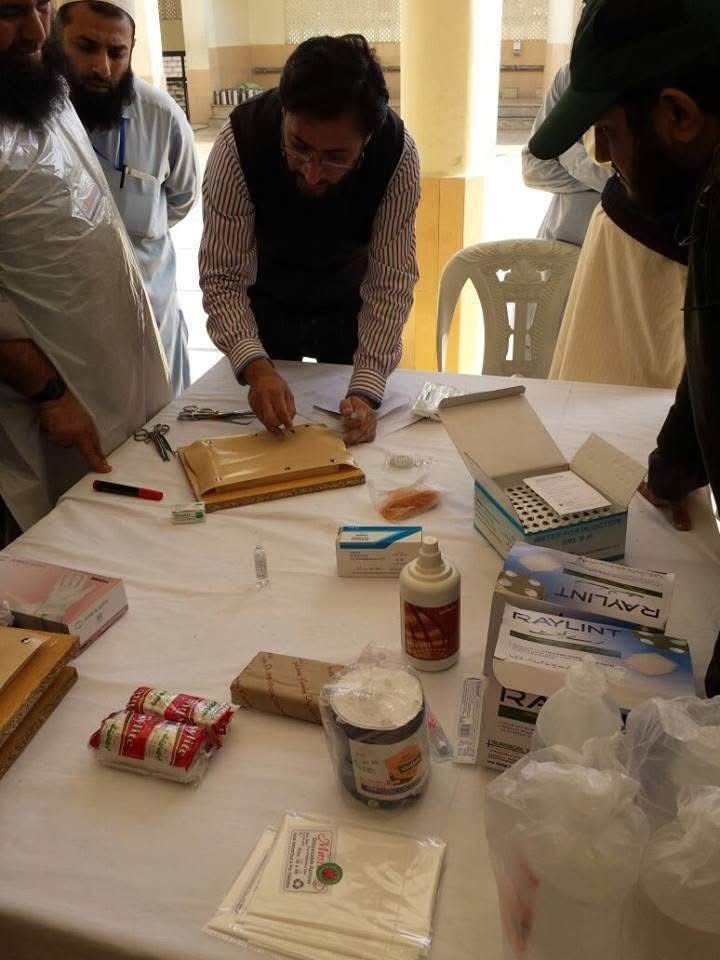
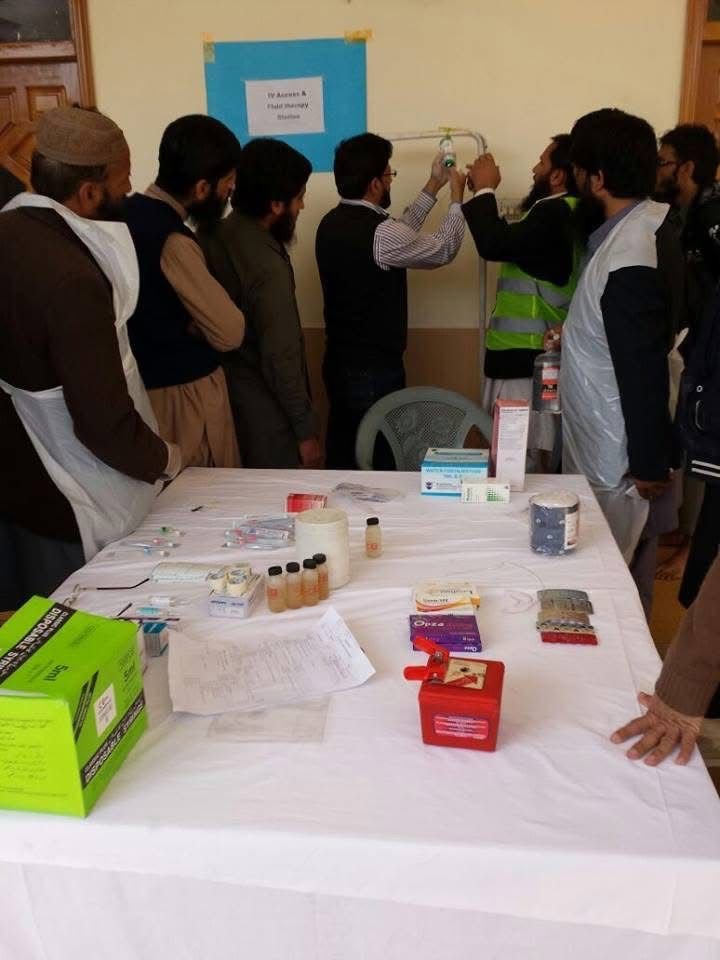
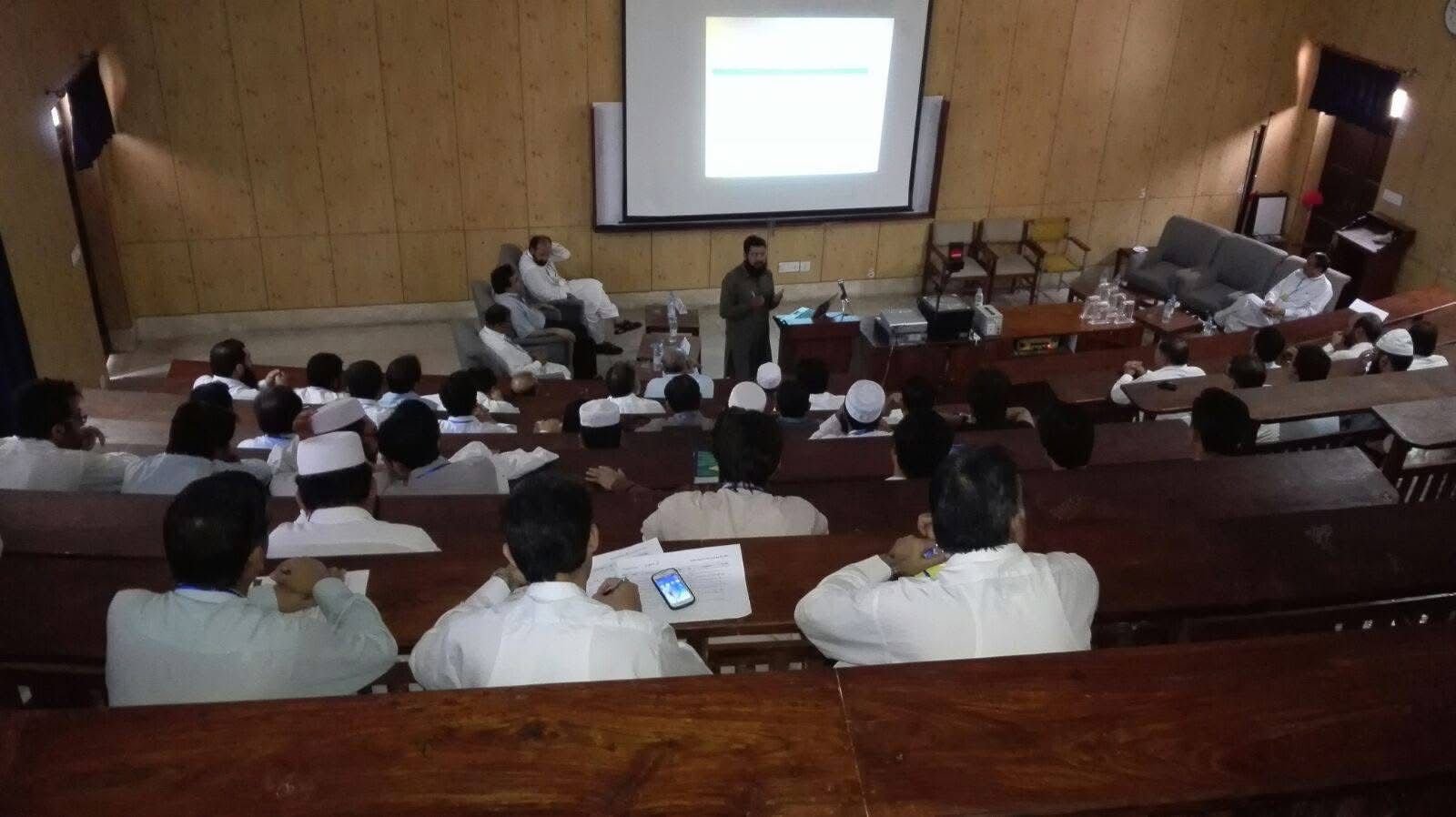
Our courses cover basic life support, haemorrhage control, fracture management, safe transport and triage, and they end with an assessment rather than a certificate handed out for attendance. Graduates form the standing teams that deploy when a district floods.
From this programme
Other programmes
See all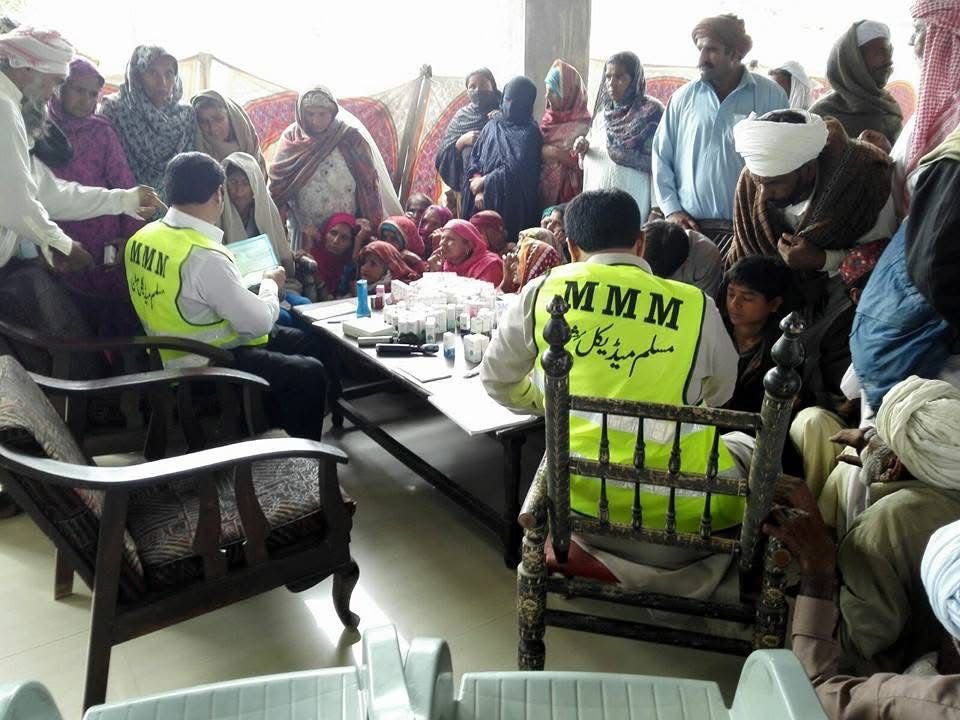
Flood emergency medical camps
Medical teams deploy into the riverine belt while the water is still standing, running free clinics out of whatever building has a dry floor.
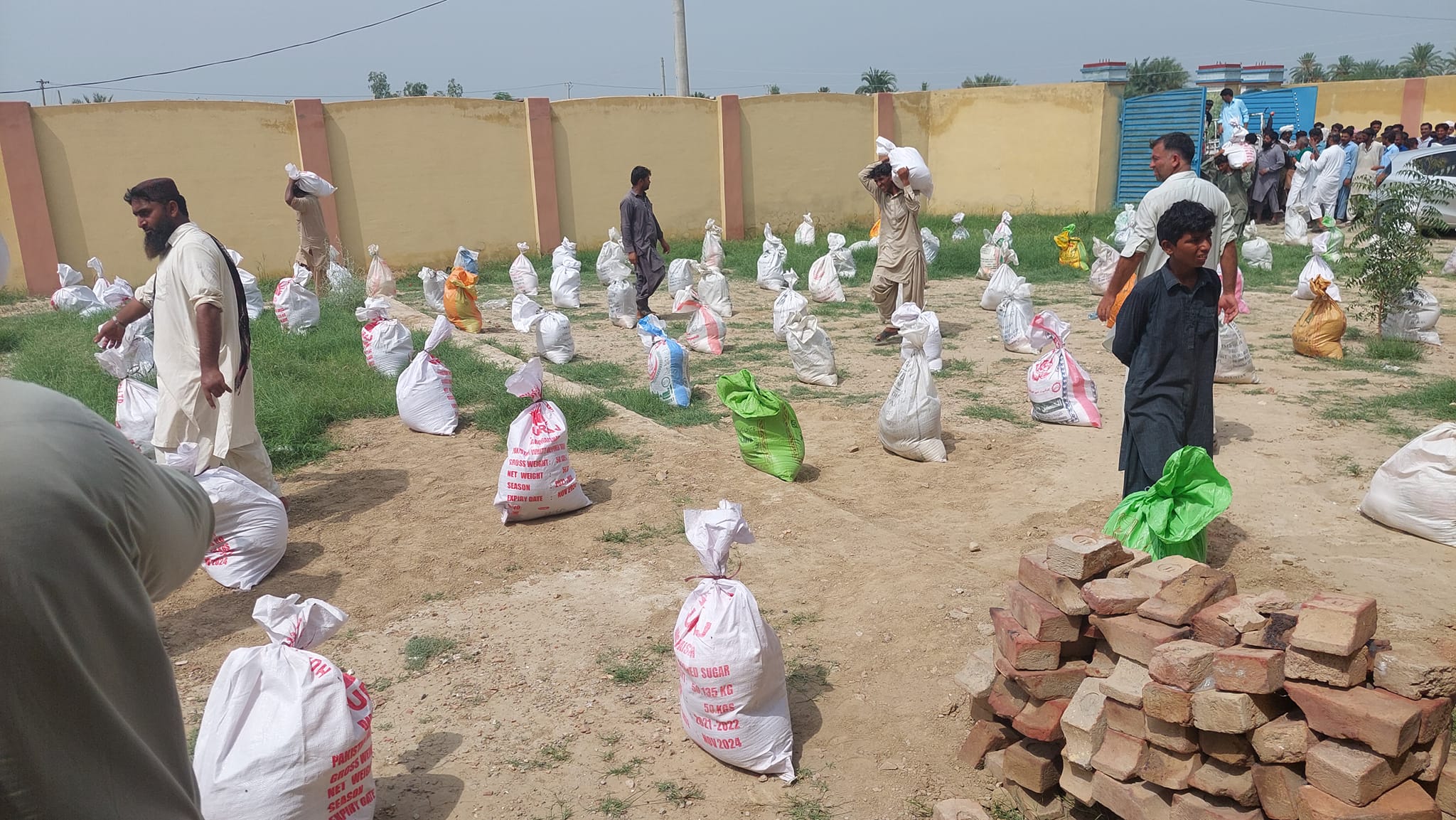
Flood relief distribution
Staple food, clean water and cash reach households in South Punjab and Balochistan through volunteers who know which families lost everything.
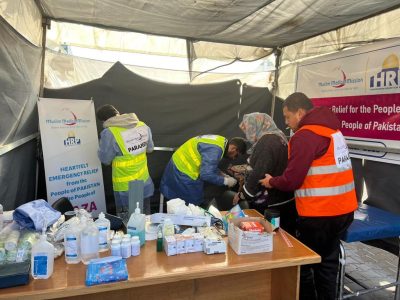
Field clinics in Gaza
Paramedic and clinical teams running consultations, dressings, dispensing and paediatric care inside shelters and tented clinics.